What is AD(H)D?
AD(H)D stands for Attention Deficit (Hyperactivity) Disorder. It is a way in which your brain processes information and filters stimuli.
That does not mean there is "something wrong" with you, but that your brain works slightly differently. This often manifests as difficulty with concentration, hyperfocus, being easily distracted, or feeling restless.

The different forms
AD(H)D does not look the same for everyone. There are three main types.
ADD
Predominantly inattentive
Often called ADD – more dreamy, forgetful, and easily overwhelmed.
ADHD
Combined
Think of distraction, busyness, and impulsivity.

ADHD
Predominantly hyperactive-impulsive
Think of high energy, difficulty sitting still, and reacting quickly.

Officially according to the DSM-5 3 types of ADHD
Some coaches, therapists, or experts by experience mention a fourth type to indicate emotions or "smart/creative ADHD".
Myths and misconceptions
There are many persistent myths about AD(H)D. These often cause confusion and sometimes even feelings of guilt. To make things clearer, we have listed the most common misconceptions for you.
“ADHD only occurs in children.”
Not true. ADHD is not a childhood diagnosis that you simply outgrow. Many adults have it too, although it can look different than in childhood.
“Only boys have ADHD.”
Incorrect. ADHD is just as common in girls and women, but is often discovered later. This is because hyperactive behavior is noticed more quickly in boys, whereas in girls, the dreamy or inattentive side is more often predominant.
"You are just lazy or unorganized."
ADHD is not about being lazy, but about how your brain processes stimuli. Planning and sticking to tasks simply takes more energy. That doesn't mean you're not working hard – in fact, you are often working incredibly hard behind the scenes.
“Everyone is busy or forgetful sometimes.”
True, but with ADHD it goes further. It affects your daily life, relationships, or work in a way that is structural and intense. So it's not a matter of "just trying a bit harder".
"ADHD is only negative."
Certainly not. In addition to the challenges, ADHD often also brings strong traits, such as creativity, enthusiasm, perseverance, and spontaneity. It's about learning to see and utilize those aspects.
"ADHD is caused by bad parenting."
This is incorrect. ADHD is a neurobiological disorder: your brain processes information and stimuli differently. Of course, your environment can influence how you deal with it, but ADHD itself is not caused by parents or upbringing.



You are not alone
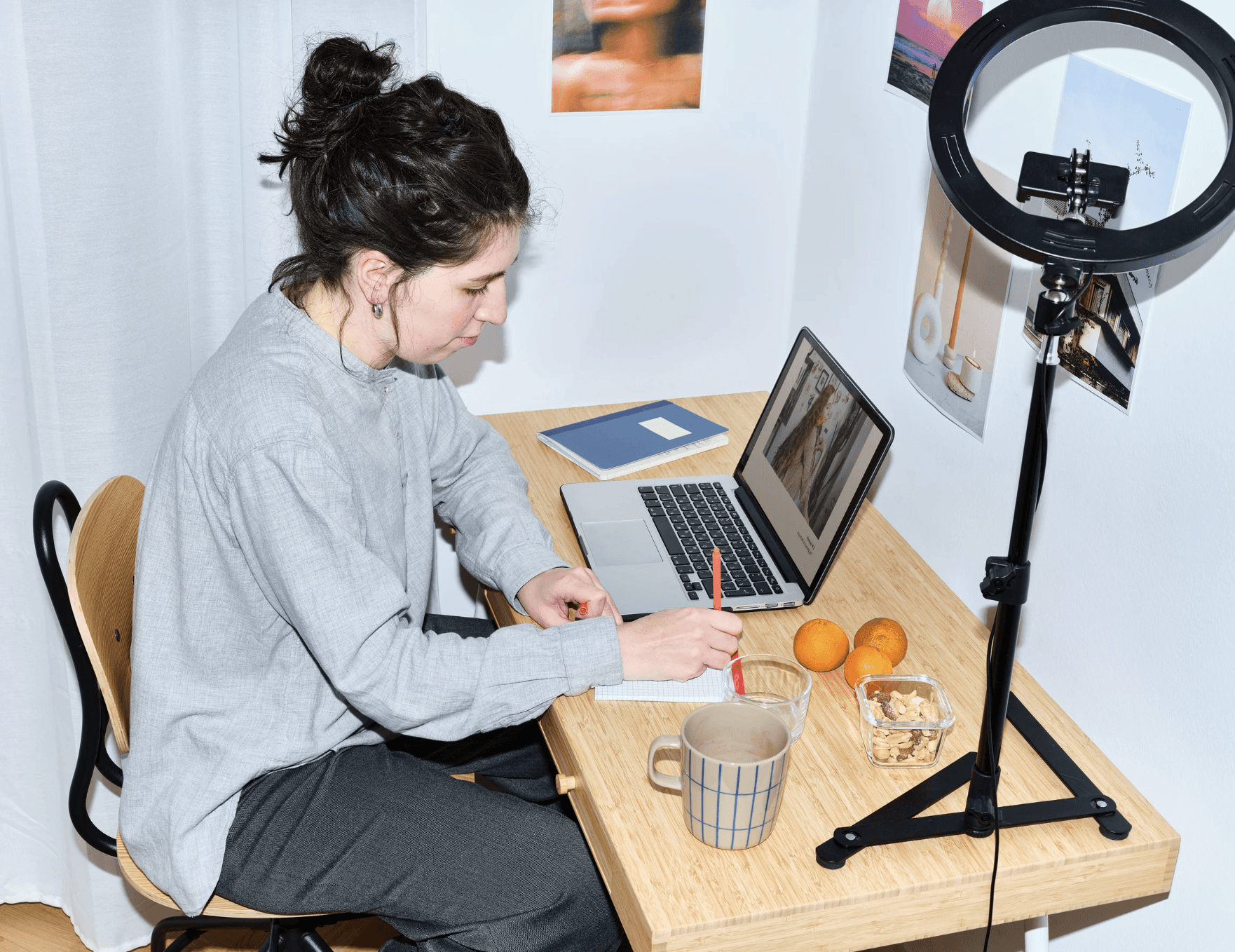
Many young women with AD(H)D feel different or "too much". But you are absolutely not alone.
The sooner you understand how your brain works, the better you can build a life that suits you – with your AD(H)D, not against it.